
By Tamara Afanasyeva, Mont’Kiara International School (M’KIS) Advisory Coordinator, Head of Subject for Language Acquisition, Head of Year for Grade 10 and Individuals and Societies/ English B Teacher.
Mont'Kiara International School (M'KIS) is an International Baccalaureate (IB) World School and part of the Nord Anglia Education family. Preparing students for the future means teaching them how to think, not just what to think. Through the M'KIS Advisory program, our teachers guide students toward future-ready aptitudes. Discover how our Grade 10 students embodied key IB Learner Profile attributes—acting as Thinkers, Communicators, and Reflective learners—by using hands-on metaphors to make complex ideas visible and define the true power of community, growth, and self-expression.
What does advisory mean to students?
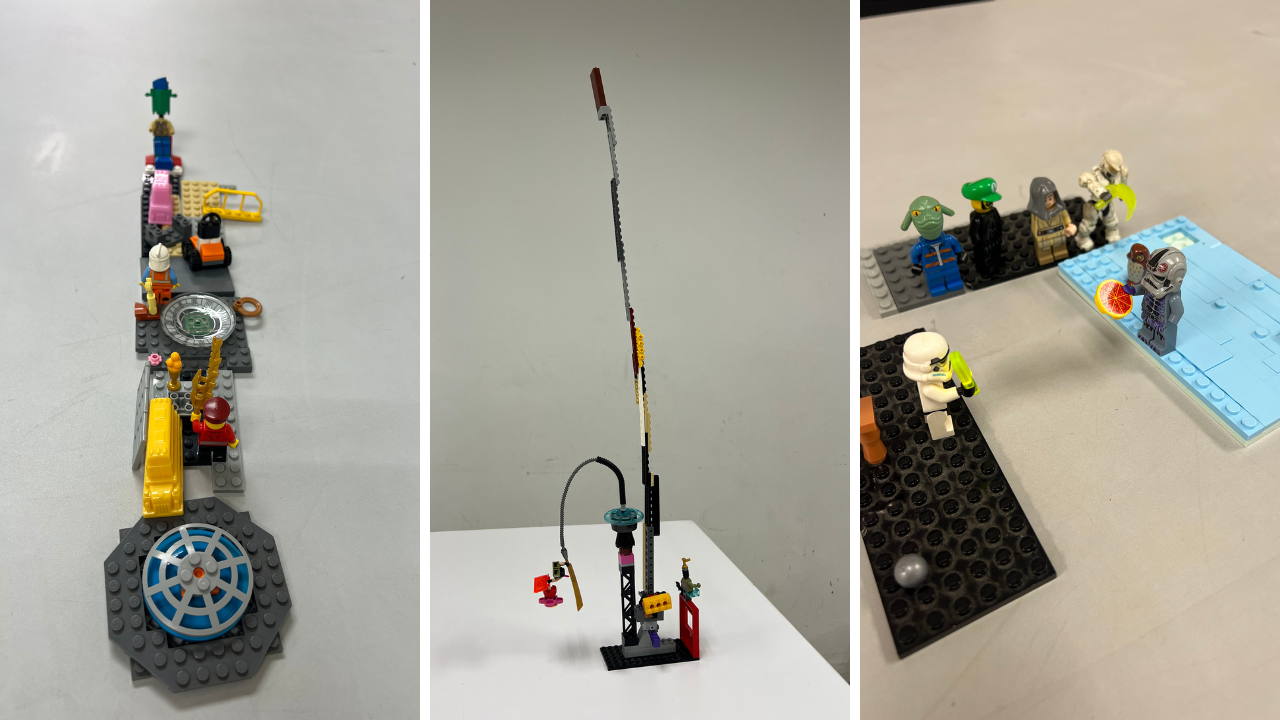
Rather than giving Mont’Kiara International School (M’KIS) Grade 10 students a definition, they were invited to develop their own understanding. Using LEGO, they created models representing what advisory could and should be.
Four central metaphors emerged.
A window represented a safe space and a “window of opportunity” to share ideas, emotions, and opinions without judgment.
A community represented diverse people exchanging knowledge, perspectives, and experiences. Its strength comes not from sameness, but from the value of different viewpoints and identities.
A tower represented growth. M’KIS students build confidence and maturity over time while supporting one another, just as a tower is constructed one brick at a time.
A road represented the journey towards success. M’KIS students recognized that the journey will include obstacles and that advisory can help them develop the skills to navigate them.
Together, these metaphors created a shared understanding of advisory as a space for expression, connection, growth, and preparation for future challenges.
The activity demonstrated the power of metaphor as a tool for thinking. Belonging, growth, community, and success are abstract concepts. When students are asked to define them directly, their responses may remain general or reflect what they think adults expect to hear. Metaphors invite students to connect these ideas to familiar objects and experiences.
Creating a metaphor is more than a creative task. It requires interpretation, comparison, abstraction, and justification. A student representing advisory as a road must decide which features matter: its destination, obstacles, choices, or fellow travellers. Explaining these connections makes thinking visible and invites others to question, extend, or reinterpret it.
Physical materials deepen this process. LEGO gives students a concrete way to represent ideas before, or alongside, expressing them in words. The model becomes a shared focus as M’KIS students explain their choices and refine their thinking together.
This approach reflects an idea highlighted in The Educator’s Guide to Advisory from the Institute for Social and Emotional Learning: metaphor makes abstract ideas visible, discussable, and open to interpretation.
Most importantly, student-generated metaphors can reveal understandings that direct questioning may not. The window, community, tower, and road showed that M’KIS students see advisory as more than a scheduled period: it is a place to express themselves, learn from others, grow, and prepare for challenges.
By creating these metaphors, M’KIS students did more than describe their advisory community. They began to shape it.
